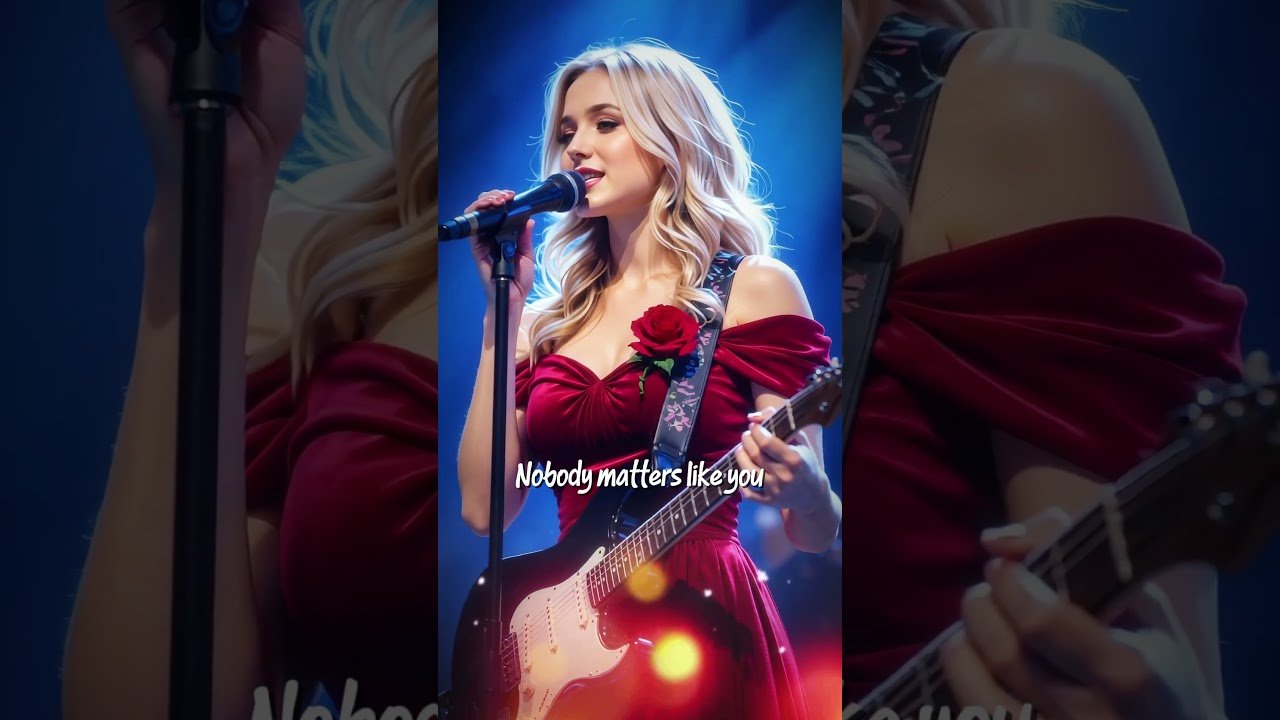
In a world flooded with digital sound, certain voices still manage to stop listeners in their tracks. They feel less like performers and more like muses guiding emotion through sound.
This musical presence does not simply sing songs but reshapes familiar melodies into new emotional landscapes. Each note feels intentional, as if memory and innovation are speaking together.
The appeal lies in the ability to bridge generations without erasing their differences. Old feelings are preserved while new textures invite younger audiences inside.
Classic pop has always carried emotional weight rooted in storytelling and simplicity. Reimagining it through modern production gives those stories fresh urgency.
Technology plays a crucial role in this transformation, acting as both tool and collaborator. Synthesized layers and digital effects expand the emotional palette without overpowering the soul.
Listeners often describe the experience as nostalgic and futuristic at the same time. It feels like remembering something from the past while discovering it anew.
The voice at the center carries warmth that cuts through polished production. It reminds audiences that humanity still matters in an algorithm driven industry.
Rather than chasing trends, this approach bends them toward emotional honesty. The result is music that feels current yet timeless.
A mashup like Rockabye and No illustrates this balance beautifully. Familiar lyrics gain new meaning when framed by altered rhythms and modern soundscapes.
The fusion transforms pop hits into reflective pieces rather than disposable entertainment. Listeners are encouraged to feel rather than simply move.
This style speaks strongly to audiences raised on streaming platforms. It matches their fast consumption habits while asking for deeper emotional engagement.
Social media further amplifies this connection by turning songs into shared moments. Short clips spark curiosity that leads listeners to full experiences.
The music feels designed for headphones but powerful enough for large spaces. Intimacy and scale coexist without contradiction.
Emotion becomes the true innovation rather than technology itself. Digital tools merely enhance what the voice already conveys.
There is a quiet confidence in letting feeling lead production choices. It signals respect for both the past and the present.
Classic pop often thrived on vulnerability, and that element remains intact here. The difference lies in how it is framed and delivered.

Modern listeners crave authenticity amid endless content. This sound offers sincerity without rejecting technological progress.
Each reimagined track feels like a conversation across time. Past artists inspire without being copied or overshadowed.
The futuristic lens does not erase imperfections. Instead, it highlights them as proof of emotional truth.
This balance challenges the assumption that technology removes feeling from music. It suggests the opposite when used with care.
Audiences respond because the music reflects their own contradictions. They live between nostalgia and innovation just like these songs.
The voice becomes a guide through that emotional complexity. It reassures listeners that progress does not require forgetting.
Such music invites repeated listening rather than instant dismissal. Each play reveals another layer of intention.
The blend of classic emotion and modern sound feels especially powerful at night. It matches moments of reflection and quiet introspection.
Pop music often aims for immediacy, but this approach values longevity. Songs are crafted to stay relevant beyond initial release.
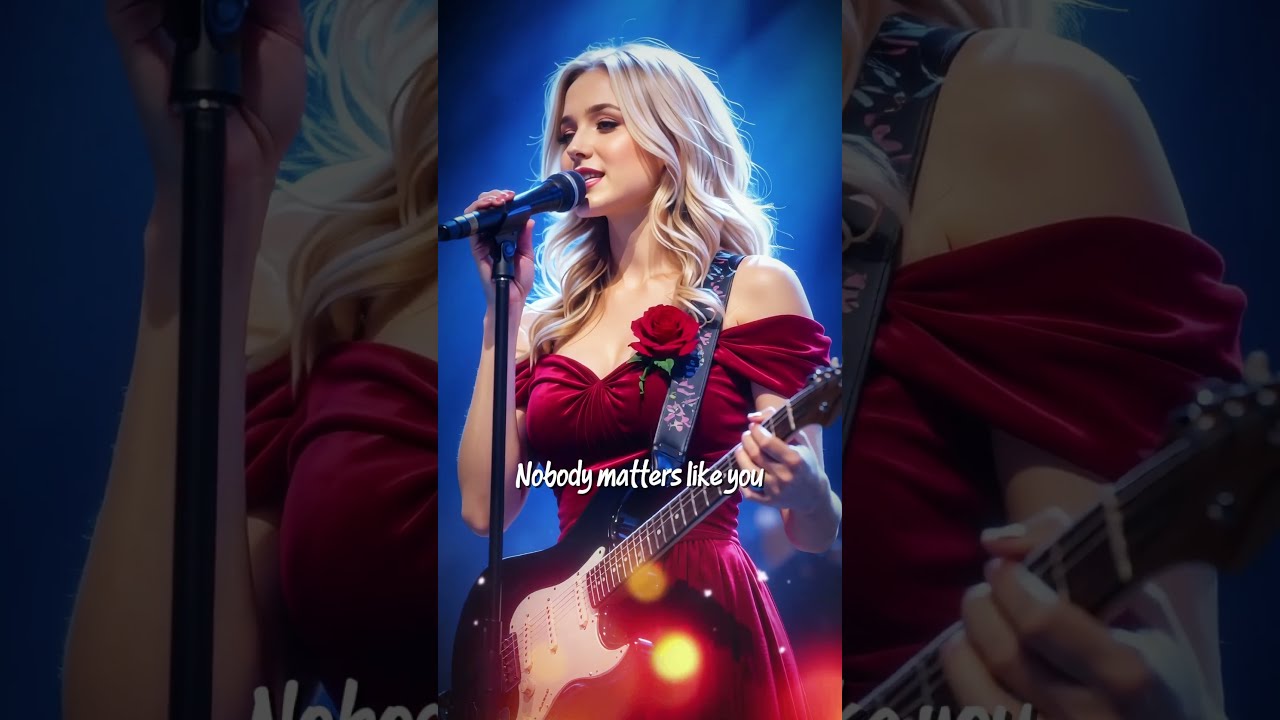
The emotional clarity helps listeners attach personal memories to the music. That attachment fuels loyalty rather than passive consumption.
Technology singing with heart becomes more than a slogan. It becomes a philosophy shaping every creative decision.
This philosophy resonates in an era of artificial creation. It reminds audiences that human feeling remains irreplaceable.
The music stands as a response to overproduced emptiness. It proves that polish and sincerity can coexist.
Reimagined classics act as bridges rather than replacements. They honor original emotions while expanding their reach.
Listeners feel invited rather than instructed. The music opens space for personal interpretation.
This openness strengthens the bond between artist and audience. It feels collaborative rather than performative.
Each track becomes a shared emotional environment. Technology merely builds the room where feelings gather.
Ultimately, the voice functions as both memory and possibility. It carries echoes of what was and hints of what could be.