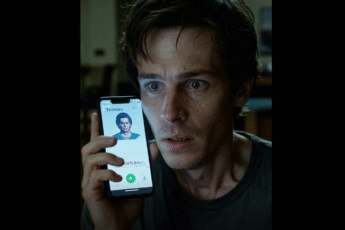
The moment the singer stepped onto the brightly lit stage, the theater carried a hush shaped by curiosity and quiet expectation. Viewers sensed something intimate was about to unfold, even before the first note drifted into the room.
Choosing a song about loss and longing was a bold decision, especially on a stage known for spectacle and instant judgment. The opening lines emerged gently, revealing a voice that carried both restraint and vulnerability.
Rather than relying on vocal tricks, the performance leaned into emotional clarity and controlled phrasing. Each word felt lived in, as though the story being told belonged not just to the song but to the singer himself.
As the melody progressed, the audience could feel a shift in the atmosphere, from polite attention to collective absorption. Faces softened, shoulders relaxed, and the space between performer and listener seemed to disappear entirely.
The song’s familiar chorus arrived without force, delivered instead with quiet ache and careful breath. This restraint allowed the pain within the lyrics to resonate more deeply than any dramatic flourish could.
Judges who had heard thousands of auditions before leaned forward, visibly drawn into the performance. Their expressions reflected surprise not at volume or range, but at the sincerity carried in every note.
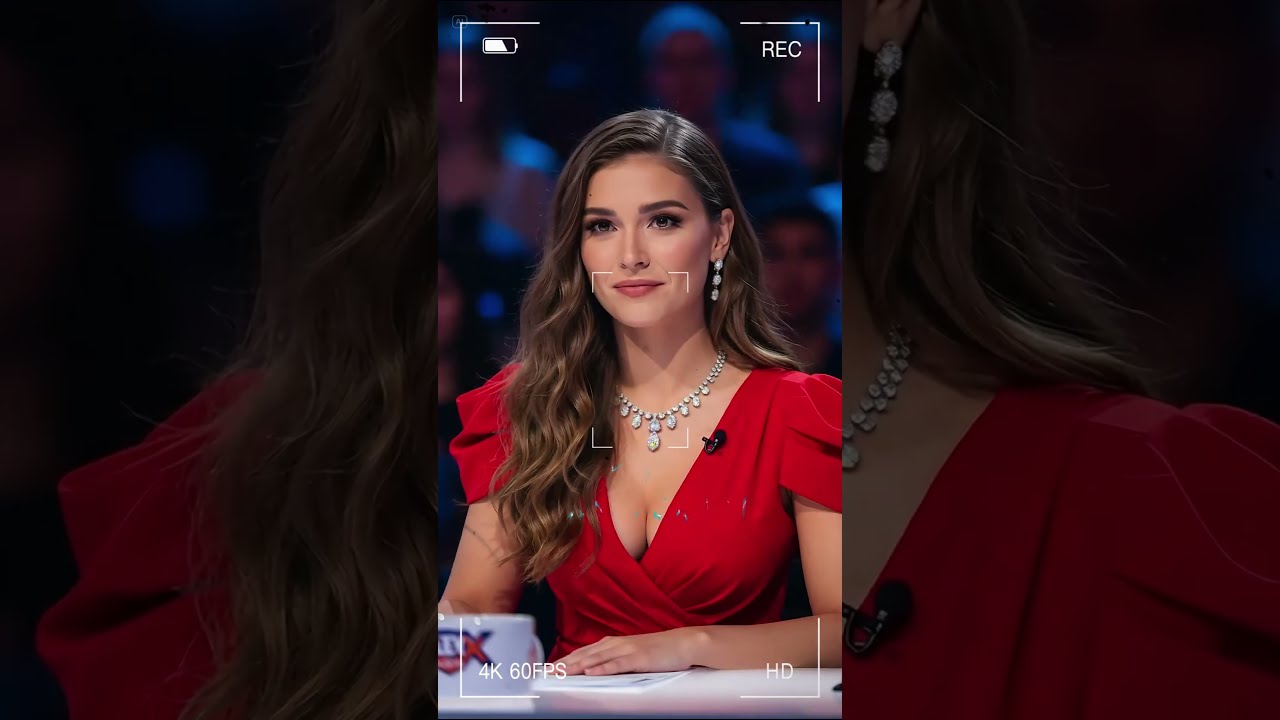
The power of the audition rested in its honesty, transforming a well known song into a personal confession. Listeners were reminded that great performances often come not from perfection, but from emotional truth.
As the final notes faded, silence lingered longer than expected, heavy with shared feeling. That pause spoke louder than applause, signaling that something meaningful had just taken place.
When the reaction finally erupted, it felt less like celebration and more like gratitude. The audience responded not only to talent, but to the courage required to stand vulnerable before millions.
In the age of viral clips and fleeting attention, moments like this cut through the noise. They remind viewers why live performance still holds the power to unite strangers through shared emotion.
The song itself has long been associated with heartbreak, but this rendition added a new dimension of quiet resilience. It suggested that pain, when expressed honestly, can become a bridge rather than a burden.
Social media quickly filled with reactions from viewers who felt personally moved by the performance. Many shared stories of their own losses, connecting their experiences to the emotion carried on stage.

What made the audition unforgettable was not reinvention, but sincerity layered over simplicity. The familiar melody became a vessel for collective memory and individual healing.
In talent competitions, it is easy for emotion to feel manufactured or exaggerated. This performance stood apart by trusting stillness and letting the song breathe naturally.
The judges’ feedback reflected respect rather than spectacle, acknowledging the risk of such a stripped down approach. Their words emphasized connection, control, and emotional intelligence over technical display.
Long after the episode aired, the audition continued to circulate online, gathering new listeners across generations. Each replay carried the same quiet impact, proving that authenticity never loses relevance.
For aspiring performers, the moment offered an important lesson about artistic courage. True impact often comes from revealing something real, even when that truth feels fragile.
In the end, the audition became more than a television highlight, evolving into a shared emotional landmark. It showed how a single voice, grounded in honesty, can leave a lasting echo in the hearts of millions.