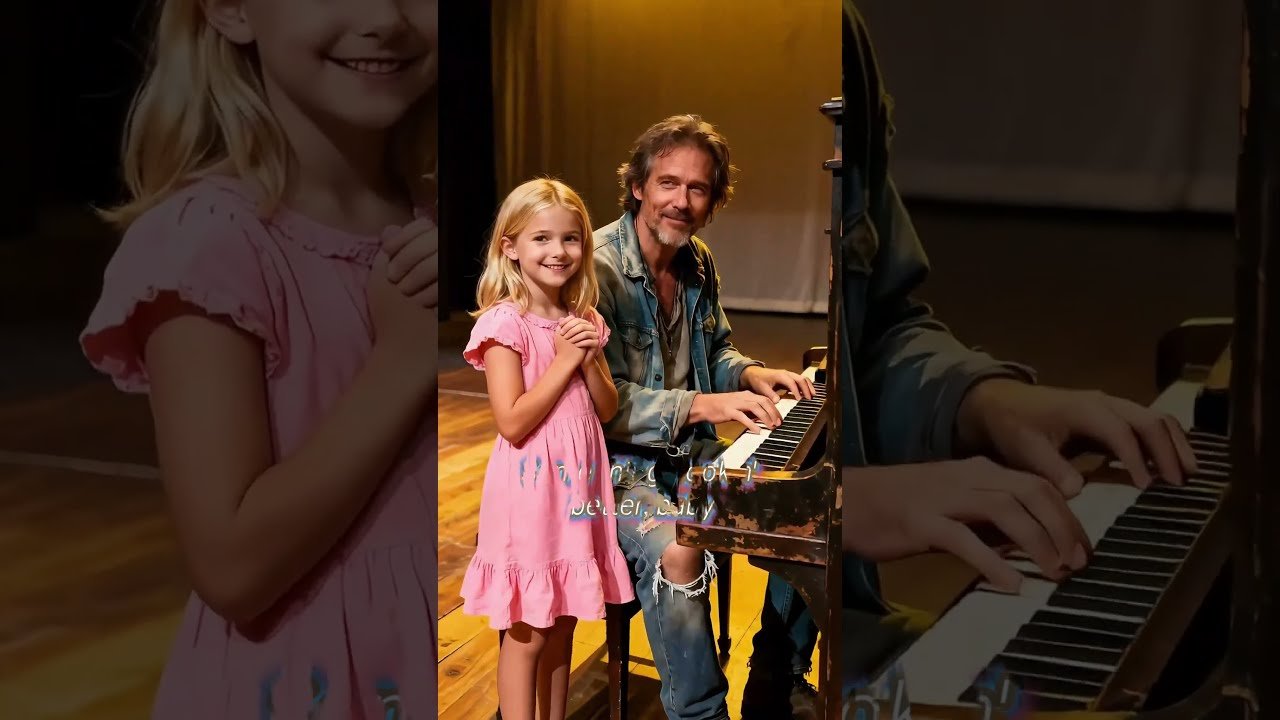
When his wife ran away, the house became unbearably quiet, yet responsibility suddenly grew louder than grief. In that silence, a man chose endurance over bitterness and began raising his daughter alone.
There was no dramatic declaration of strength, only a daily decision to wake up and keep going. He learned quickly that survival was not heroic but repetitive, exhausting, and deeply human.
From childhood, his daughter knew her father as both protector and provider, even when he felt unprepared for either role. He packed lunches, braided hopes into bedtime stories, and hid his fears behind routine.
Money was often scarce, yet affection was never rationed in that household. He taught her that dignity could exist without abundance, and that love did not require perfection.
As the years passed, the absence of her mother became a quiet shadow rather than an open wound. The father never poisoned his daughter with resentment, choosing restraint over emotional release.
He answered difficult questions with honesty softened by care, refusing to rewrite the past with cruelty. In doing so, he carried the weight of two parents while allowing his child to grow without hatred.
Raising a daughter alone demanded emotional fluency he had never been taught. He learned to listen rather than fix, to comfort rather than command, and to adapt rather than dominate.

Society rarely applauds such private labor, especially when it unfolds without spectacle. His sacrifices blended into the background of ordinary life, unnoticed by all but the child who depended on them.
As she grew into adolescence, distance naturally formed, yet commitment never weakened. He respected her independence while remaining a constant anchor in uncertain emotional waters.
There were moments of doubt when exhaustion whispered that he had failed. Still, he measured success not by recognition but by the resilience growing quietly before him.
Music later became the language through which his unspoken feelings found shape. One particular song articulated what years of restraint had carefully buried.
The lyrics spoke of love tested by time, misunderstanding, and emotional restraint. In that melody, the father heard his own story reflected without judgment.
The song did not accuse or demand explanations, which made it powerful. It simply acknowledged that love sometimes survives not through victory, but through endurance.
Listening to it, he confronted emotions he had postponed for decades. Regret, pride, sorrow, and gratitude surfaced together, impossible to separate cleanly.
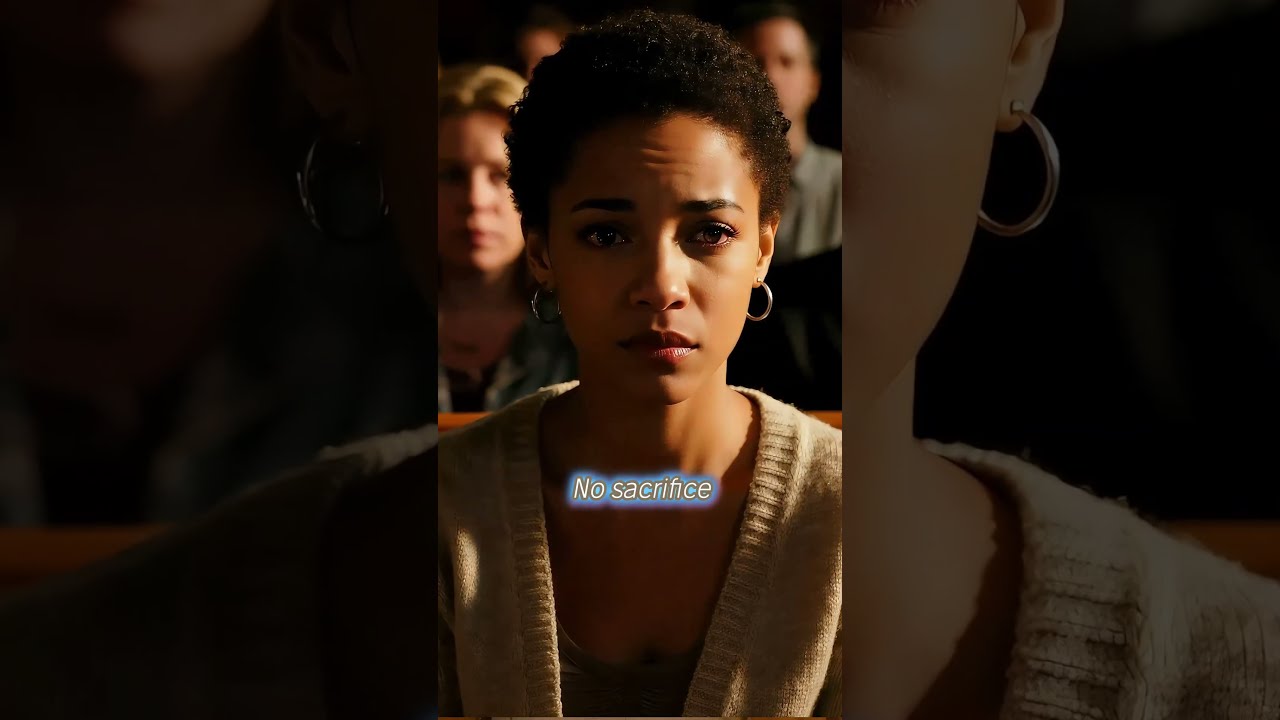
For his daughter, the song revealed a side of her father she had sensed but never fully known. It bridged emotional distances that words alone had never crossed.
She finally understood that his quietness had never meant indifference. It had been the language of a man who believed love should act before it speaks.
The song’s power lay in its restraint, mirroring the father’s own emotional discipline. Nothing was exaggerated, yet everything felt deeply sincere.
In that shared listening moment, neither needed explanations or apologies. Understanding arrived gently, like recognition rather than revelation.
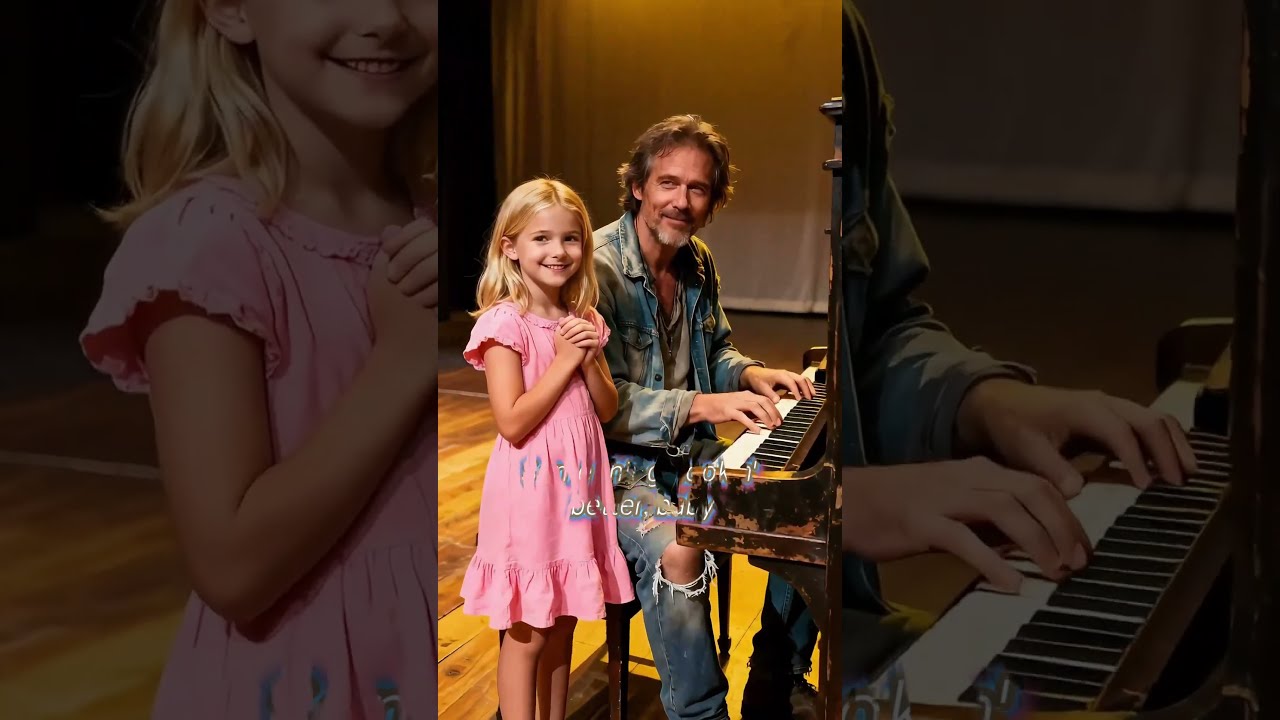
This was not a story of abandonment redeemed by success, but of consistency honored by time. The father’s life demonstrated that devotion can be invisible and still transformative.
His daughter’s adulthood became the living proof of years of unseen effort. Her confidence carried the imprint of stability forged under pressure.
The song continues to resonate not because it tells a unique story, but because it tells a familiar one honestly. Countless parents recognize themselves in its quiet ache.
It reminds listeners that sacrifice is often uncelebrated and emotionally isolating. Yet its impact lasts far beyond the moments when it feels most lonely.
In the end, the father does not seek recognition for what he endured. He finds peace knowing that love, when patiently lived, eventually finds its voice.