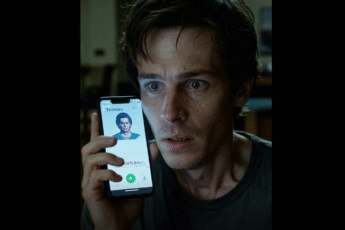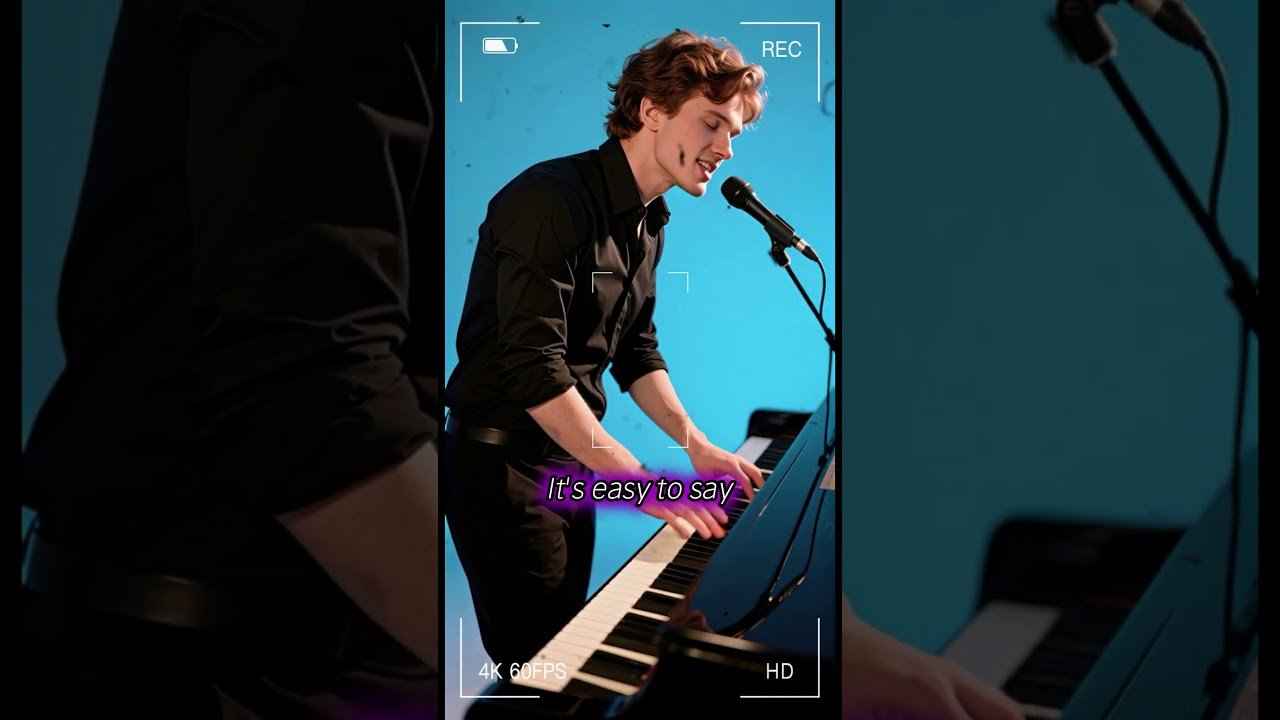
The lights dimmed inside the vast television studio as a lone figure stepped forward, carrying nothing but a microphone and a quiet determination. From the first breath, the audience sensed they were about to witness something far more intimate than a routine audition.
The song chosen was a modern ballad known for its aching vulnerability and emotional honesty. It speaks of loss, longing, and the fragile process of learning how to live after love disappears.
As the opening lines floated through the room, the singer’s voice emerged soft and restrained, almost trembling with control. That restraint created tension, drawing listeners closer as if they were being invited into a private confession.
Each note carried a weight that suggested lived experience rather than performance. The phrasing felt unpolished in the best way, allowing raw emotion to take priority over technical perfection.
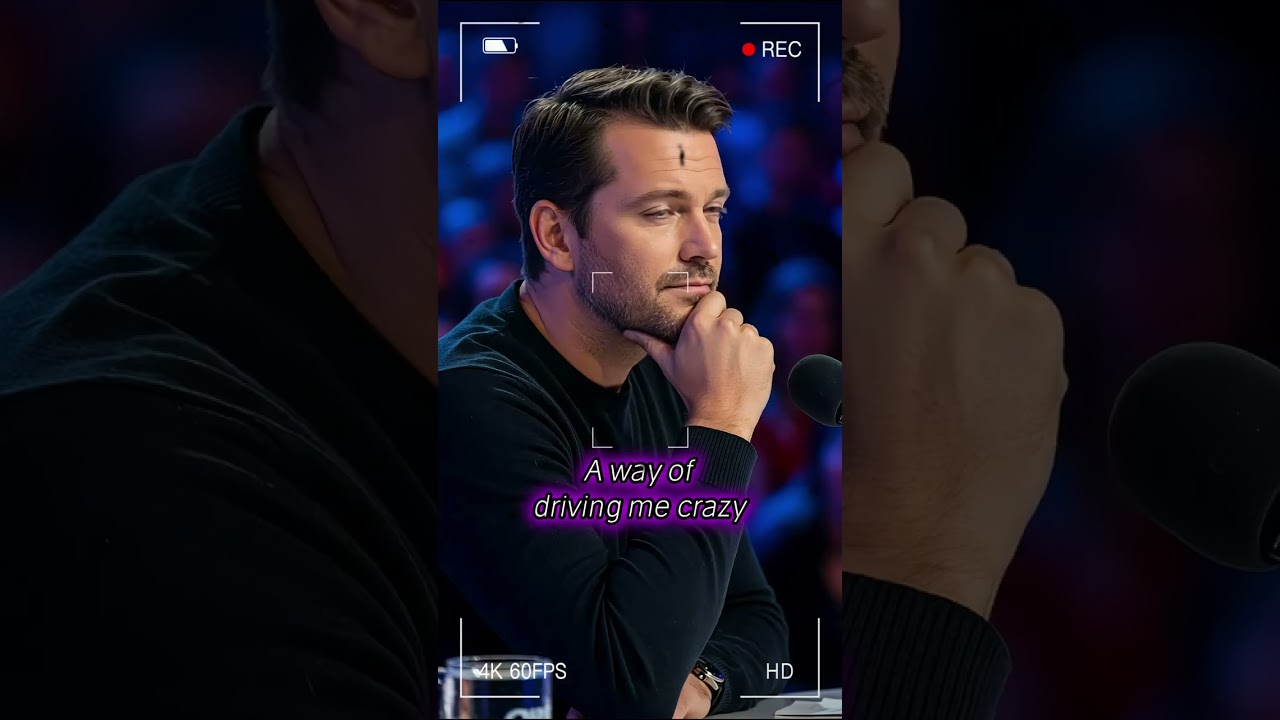
The judges leaned forward almost instinctively, sensing authenticity in every breath. Their expressions shifted from curiosity to disbelief as the voice grew stronger and more resonant.
What made the moment remarkable was not vocal power alone but emotional clarity. The singer communicated heartbreak without exaggeration, letting silence and pauses speak as loudly as sound.
In a competition built on spectacle, this performance chose sincerity instead. The absence of dramatic gestures made the delivery feel grounded and deeply human.
The lyrics about needing someone now gone resonated across generations in the room. Many listeners recognized their own losses reflected in the simple honesty of the song.
As the chorus arrived, the voice expanded with controlled intensity rather than volume. It was a release shaped by discipline, suggesting pain that had been lived with, not just imagined.
The audience grew silent, not from instruction but from shared respect. Phones lowered, breaths slowed, and the space transformed into something closer to a collective memory.
Television rarely captures moments that feel genuinely unscripted, yet this one resisted editing tricks. The emotion felt spontaneous, as if unfolding for the first time before everyone present.
The song’s universal theme allowed people from different backgrounds to connect instantly. Loss, after all, speaks a language that requires no translation.
When the final note faded, it lingered in the air longer than expected. That silence carried its own applause, heavy with meaning.
A judge finally spoke, but even praise seemed inadequate at first. Words struggled to match what had just been felt rather than heard.

Comments focused less on technique and more on truth. The performance was described as brave, honest, and disarmingly real.
Viewers at home later echoed those sentiments across social media. Many admitted they were moved to tears without fully understanding why.
The power of the audition lay in its simplicity. One voice, one song, and one emotion were enough to command attention worldwide.
In an era of digital perfection, cracked notes and trembling breaths felt refreshing. They reminded audiences that vulnerability remains the most compelling form of artistry.
The song itself gained renewed life through this interpretation. Listeners returned to it not just as a hit, but as a shared emotional experience.
Music psychologists often note that sadness in song can provide comfort. This performance embodied that idea, offering connection rather than despair.
The singer did not present themselves as a star seeking approval. Instead, they appeared as a storyteller offering truth and trusting listeners to receive it.

Such moments explain why talent shows still matter despite criticism. Occasionally, they create spaces where genuine human stories break through entertainment formats.
The audition also highlighted how certain songs transcend their original recordings. In the right voice, they become mirrors for countless personal histories.
For many viewers, the performance became a reminder of someone they once loved. Music has the rare ability to reopen wounds while helping them heal.
As clips circulated online, millions replayed the same few minutes repeatedly. Each listen revealed new details in tone, breath, and emotional nuance.
The shock expressed by judges was less about surprise and more about recognition. They recognized truth when they heard it, unmistakable and unfiltered.
This audition will likely be remembered long after the season ends. Not because it was flashy, but because it was honest.
In the end, the performance proved that a single voice can still cut through noise. When emotion leads and technique follows, music becomes unforgettable.