Music has always been a powerful mirror of human emotion, reflecting both personal stories and shared memories. When sound transcends time, it becomes more than entertainment and turns into experience.
The concept of a musical muse is rooted in inspiration rather than identity. It represents the invisible force that pushes art beyond the ordinary.
Unforgettable music often exists where the past gently meets the future. In that meeting point, listeners discover something both comforting and surprising.
A voice that bridges eras carries echoes of history while speaking clearly to the present. It does not choose between old and new, but allows them to coexist.
Classic blues has long been associated with raw honesty and emotional depth. Its strength lies in simplicity, truth, and vulnerability.
Reimagining blues through a futuristic lens is a delicate act. It requires innovation without erasing the genre’s emotional foundation.
When done thoughtfully, this fusion expands the blues rather than confines it. The result feels like a conversation across decades.
One Way Ticket To The Blues captures this balance with quiet confidence. The song respects tradition while gently nudging it forward.
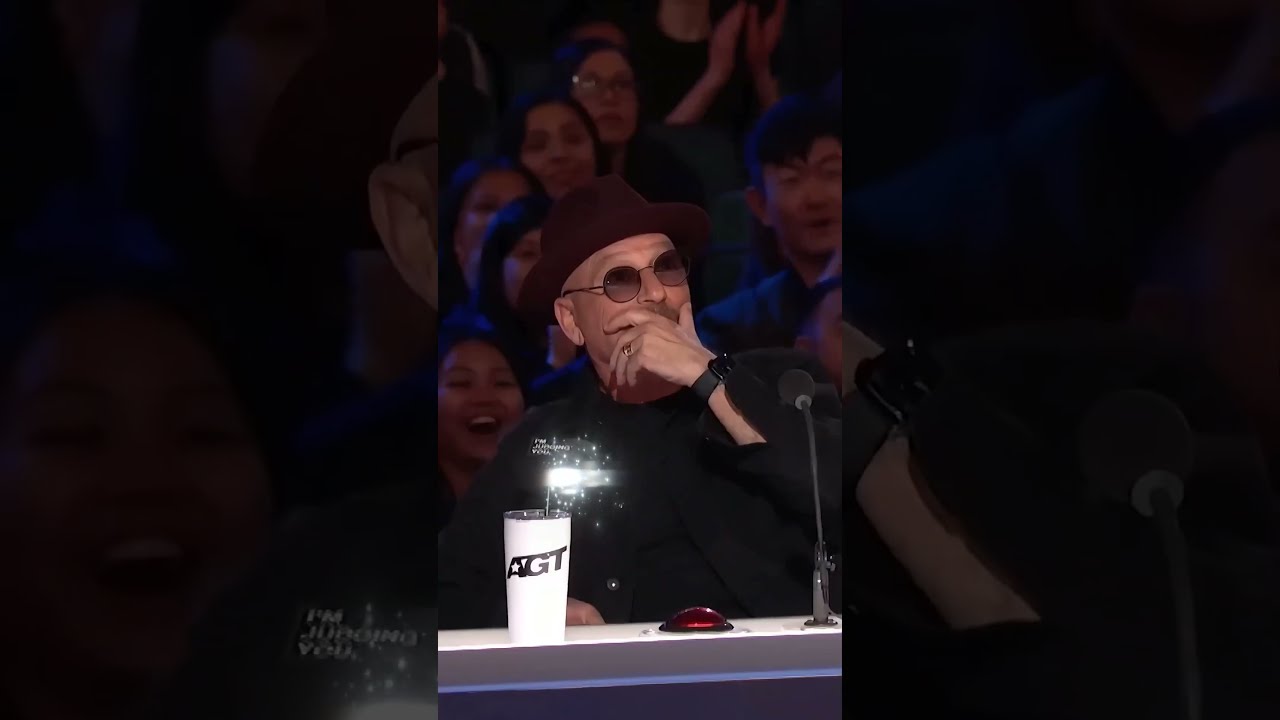
From the opening notes, the atmosphere feels intentional and immersive. The soundscape sets a mood that invites reflection rather than distraction.
Modern production elements subtly enhance the song’s emotional tone. They never overpower the melody, but instead support its journey.
The rhythm flows steadily, allowing space for the voice to lead. Each beat feels purposeful, guiding the listener through emotion.
At the heart of the performance is a vocal presence that feels both intimate and expansive. It draws listeners closer while carrying emotional weight.
The voice does not rely on excess power or dramatic flair. Instead, it uses control, tone, and timing to convey feeling.
This restraint allows the emotion to feel authentic and lived in. Every note sounds earned rather than performed.
Listeners can hear traces of classic blues storytelling throughout the song. These traces act as emotional anchors within a modern frame.
The futuristic elements add texture rather than distance. They make the song feel current without breaking its emotional connection.
Themes of longing and movement run quietly beneath the melody. They speak to the universal experience of leaving something behind.

The idea of a one way journey resonates deeply in today’s world. It reflects change, uncertainty, and the courage to move forward.
Rather than dramatizing pain, the song treats it with understanding. This approach makes the emotion more relatable and human.
Silence plays an important role within the arrangement. Moments of restraint allow listeners to sit with their own thoughts.
This balance between sound and space gives the performance a cinematic quality. It feels like a story unfolding rather than a song ending.
The futuristic lens does not erase memory but reframes it. It allows listeners to hear familiar emotions in a new way.
Such reinterpretation keeps classic genres alive and relevant. It proves that tradition thrives when it evolves.
There is a quiet confidence throughout the performance. It never feels like it is trying to prove anything.
Instead, the music trusts the listener to feel rather than analyze. That trust creates a deeper emotional connection.
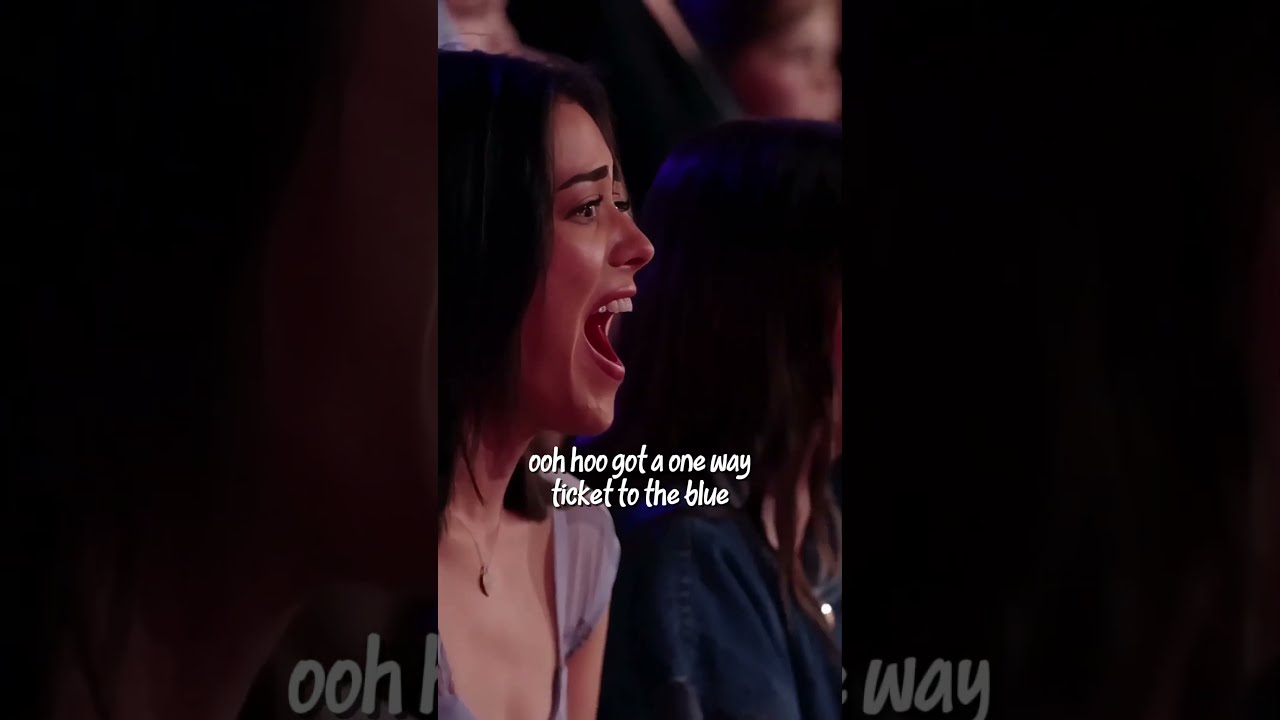
For longtime blues listeners, the song feels respectful and sincere. It acknowledges the genre’s roots without imitating them.
For newer audiences, it offers an accessible doorway into blues emotion. The modern sound makes the experience feel welcoming.
This dual appeal is rare and meaningful. It shows how music can unite listeners across generations.
The voice acts as a bridge, guiding emotion across time. It connects memory with imagination through sound.
Rather than focusing on technical display, the performance prioritizes feeling. This choice strengthens its lasting impact.
Emotion unfolds gradually, never rushed or forced. The pacing allows the song to breathe.
By the final moments, the listener feels changed rather than entertained. The song leaves a lingering emotional echo.
Ultimately, this performance demonstrates the power of thoughtful reinvention. It shows how classic blues can live comfortably in the future.