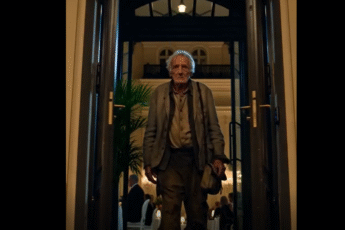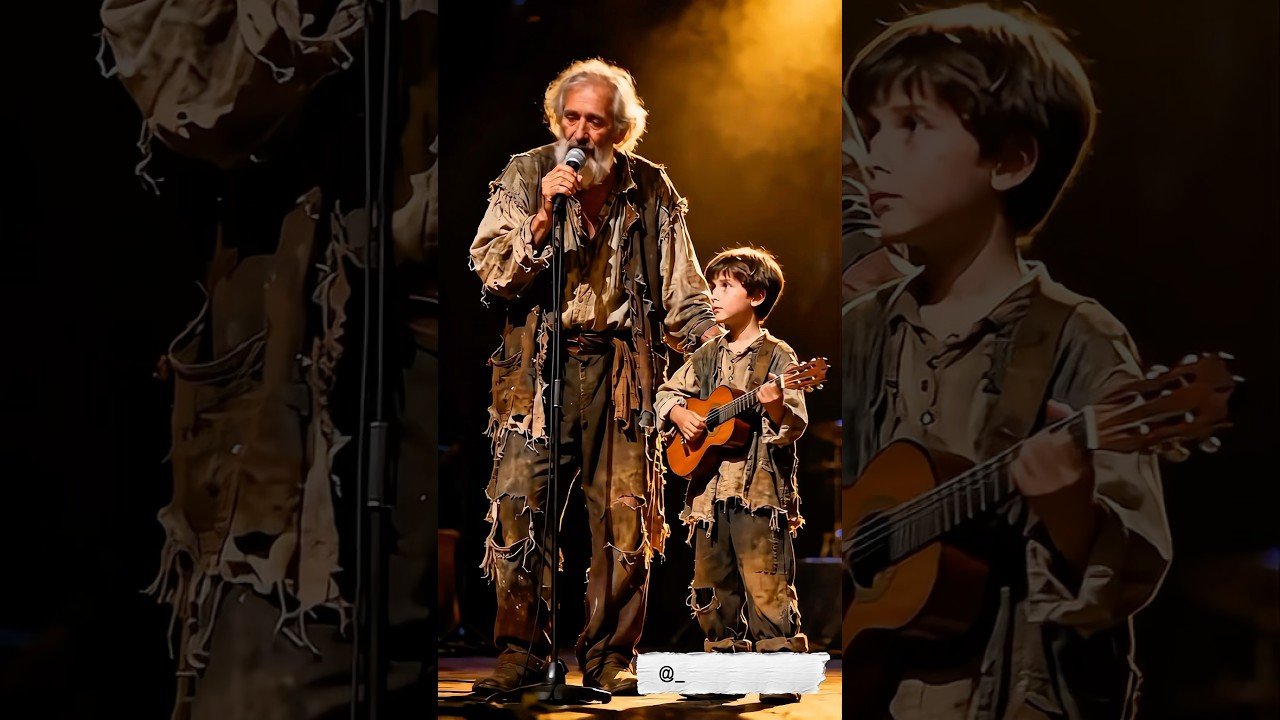
He steps onto the stage not in search of attention or applause, but carrying a heart weighted by years of unspoken sorrow. Every movement feels deliberate, as if the act of standing there is already an act of courage.
His voice emerges rough and fragile, shaped by time, memory, and loss rather than technique. It is not polished, yet it holds an honesty that immediately commands silence.
This is the sound of a father singing for a son who is no longer present, yet never truly gone. Each lyric feels like a conversation continued across an invisible distance.
There are no dramatic gestures or theatrical flourishes in the performance. Instead, emotion flows naturally, shaped by restraint and quiet dignity.
Moments of soft laughter drift through the song like distant memories, unexpected and tender. They feel less like interruptions and more like reminders of joy that once lived alongside pain.
The song unfolds slowly, allowing grief to breathe rather than forcing it into spectacle. It understands that loss does not need volume to be heard.
At its core, the performance is not about sadness alone, but about love that refuses to fade. Even in absence, that love remains present, steady, and deeply human.
The lyrics carry a sense of openness, like a door left ajar for memories to return whenever they choose. There is comfort in this openness, even when it hurts.

Rather than seeking resolution, the song accepts grief as something that evolves rather than disappears. This acceptance gives the performance its quiet strength.
The background music wraps around the voice gently, like an embrace offered without words. Its warmth softens the edges of pain without diminishing its truth.
Every note feels intentional, as though chosen with care rather than instinct. This carefulness mirrors the emotional weight behind each word.
Listeners may find themselves drawn not to the melody alone, but to the story unfolding within it. The song becomes a space where personal grief feels shared and understood.
There is a timeless quality to the performance, free from trends or expectations. It could exist in any era where love and loss have shaped human experience.
The simplicity of the arrangement allows the message to remain clear and unfiltered. Nothing distracts from the emotional center of the song.
This performance does not demand tears, yet it often earns them. Its power lies in sincerity rather than emotional pressure.
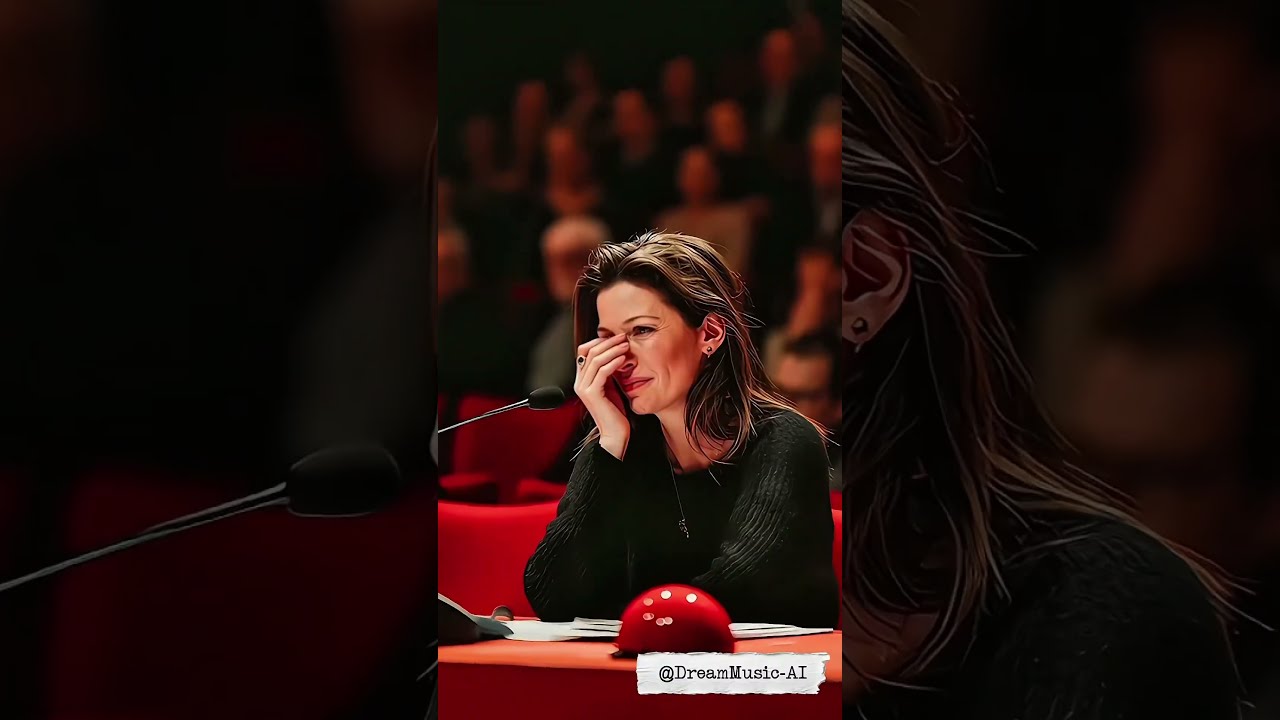
For those searching for deeply moving love songs, this piece offers something rare and genuine. It speaks of love not as romance, but as a bond that survives even death.
The acoustic elements enhance the intimacy of the moment. They create the feeling of being close enough to hear every breath between the lines.
There is an honesty in the hoarseness of the voice that cannot be replicated. It tells a story of years endured rather than moments rehearsed.
The song feels like a message carried gently through time, meant for one person yet open to many. In that openness, listeners find their own reflections.
Grief is often portrayed as loud and overwhelming, but here it is quiet and steady. This portrayal feels truer to the way loss often lives within people.
The performance becomes a reminder that music can hold emotions too heavy for conversation. It offers a language where words alone would fail.
Love is presented not as something fragile, but as something enduring and resilient. Even in sorrow, it remains present and undeniable.
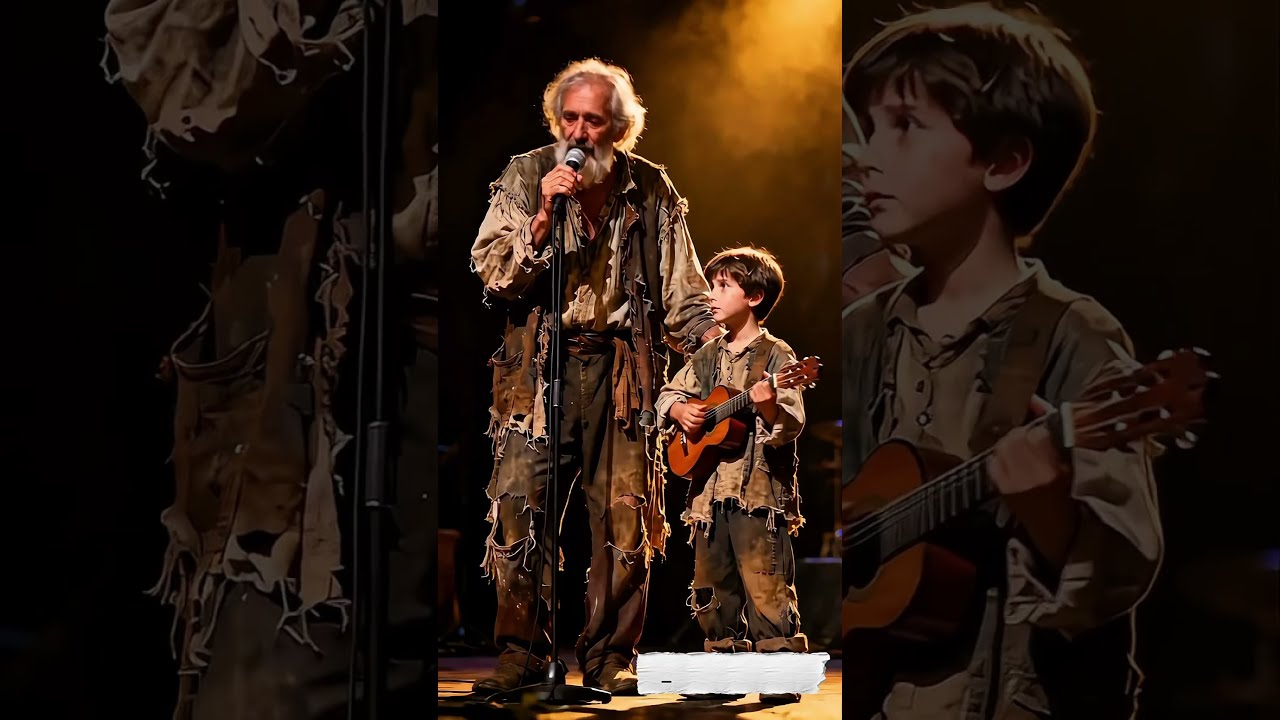
As the song continues, it becomes clear that this is not about closure. It is about continuation, about love that adapts rather than ends.
The warmth of the music creates a sense of safety for emotions to surface. Listeners are invited to feel without fear of judgment.
This is the kind of song that lingers long after it ends. Not because of a catchy melody, but because of the truth it carries.
In the final moments, the performance feels less like an ending and more like a quiet pause. It leaves space for memory, reflection, and love to remain.
Ultimately, this song stands as a testament to the idea that love never truly ends. Through music, grief transforms into connection, and loss becomes a shared human experience.