
The concert lights dimmed as a woman stepped forward, holding the room in complete silence. From the first note, her voice carried both reverence and raw vulnerability.
She wore a checkered pink and blue crop top paired with soft pink pants that contrasted gently with the darkened stage. Her curly hair framed her face as if echoing the freedom in her voice.
The song “Come Jesus Come” unfolded not as a performance, but as a confession offered openly. Each lyric felt lifted from a place of longing, struggle, and unwavering hope.
Her delivery was powerful yet controlled, blending gospel tradition with modern emotional intensity. The strength of her vocals rose and fell like a wave, guiding the audience through a shared emotional journey.
As the chorus arrived, her voice expanded with urgency and faith. The energy in the theater shifted from anticipation to collective release.
Audience members were shown wiping tears from their faces, visibly moved by the sincerity of the moment. Some clasped their hands together while others leaned forward, unwilling to miss a single breath.
The song’s message resonated deeply, speaking of waiting, suffering, and redemption. It touched something universal, regardless of belief or background.
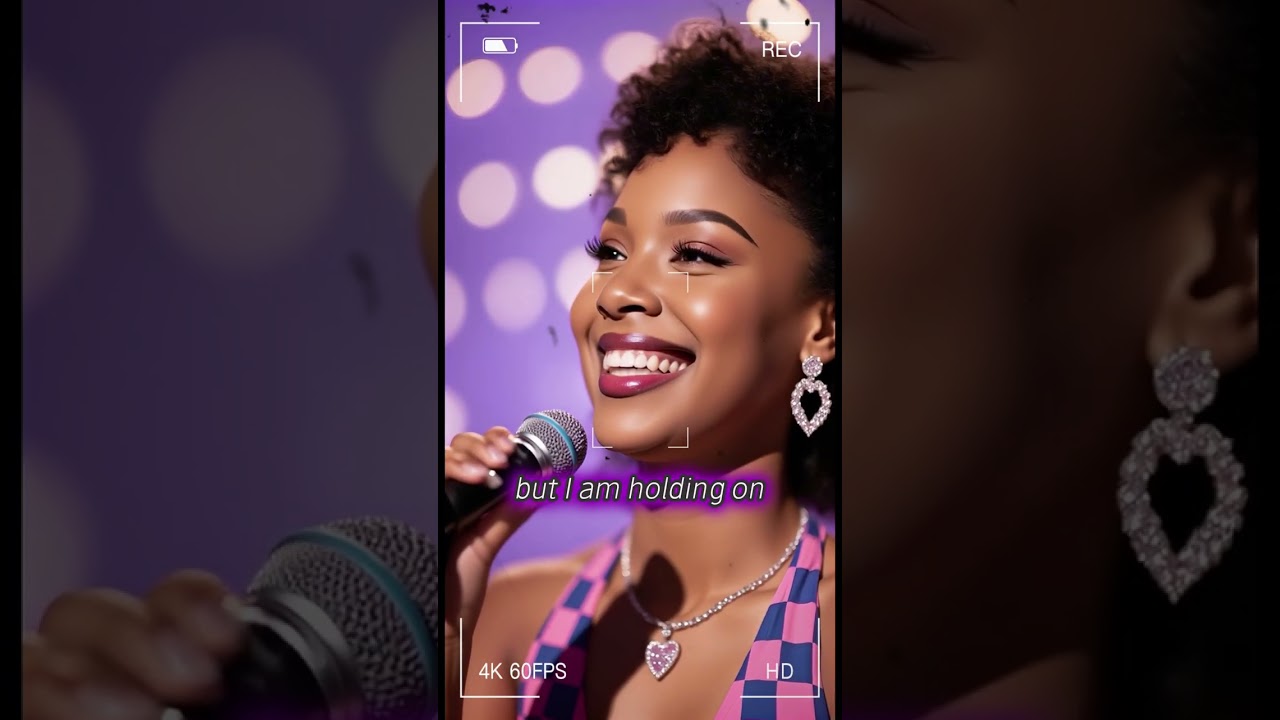
Her facial expressions revealed complete immersion in the music. Every glance upward and every closed eye conveyed surrender rather than performance.
The camera captured hands beginning to clap softly, not in interruption but in support. Applause grew gradually, fueled by respect rather than excitement.
Unlike typical high energy acts, this moment thrived on stillness. Silence between lyrics became just as powerful as the notes themselves.
Her emotional intensity never felt forced or theatrical. It came across as lived experience translated into sound.
The staging remained simple, allowing the focus to remain entirely on her voice and message. This restraint amplified the authenticity of the performance.
As the song progressed, her confidence grew without losing humility. She sang as though addressing both heaven and the hearts before her.
Several audience members were openly crying, moved beyond the usual spectacle of a televised show. The atmosphere felt more like a revival than a competition.
Her voice cracked slightly at moments, adding to the honesty of the delivery. These imperfections made the performance more human and relatable.
When she reached the final chorus, her voice soared with conviction. It carried the weight of prayer and the promise of comfort.
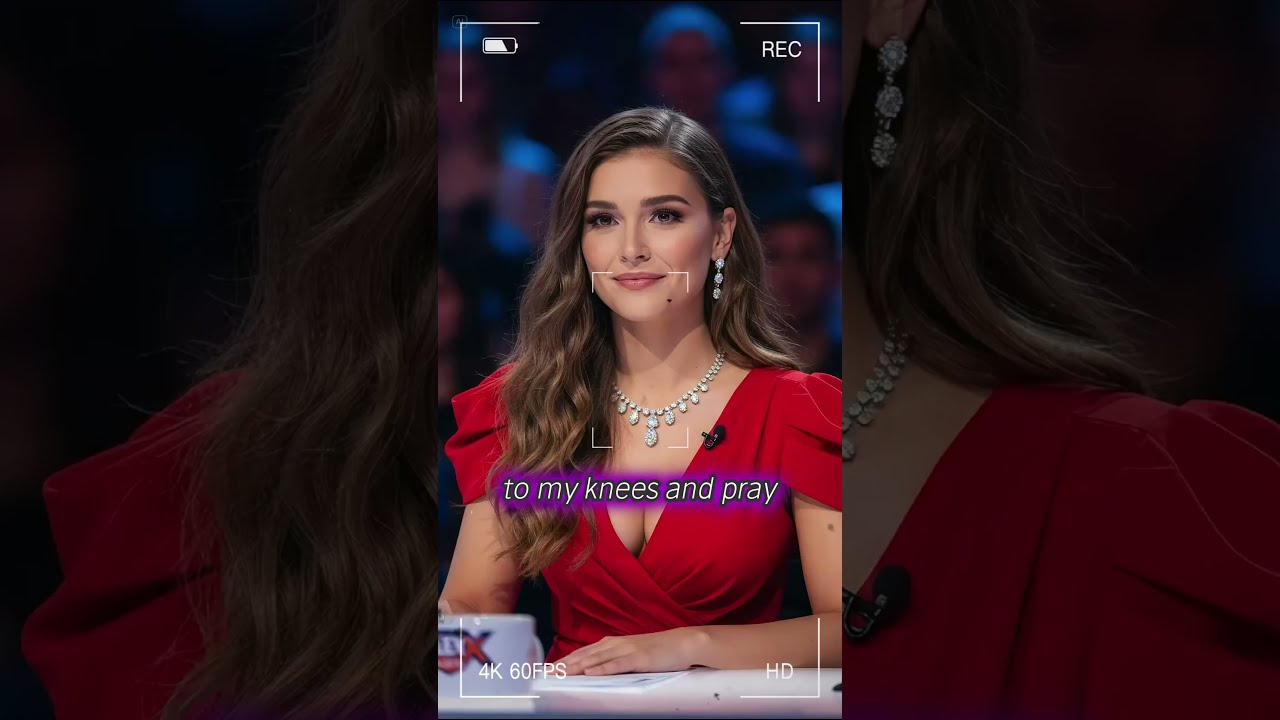
The judges remained silent, visibly absorbing the impact of what they had witnessed. Their expressions reflected awe rather than critique.
This was not a performance designed to impress with technique alone. It succeeded because it communicated truth and emotion without restraint.
The audience rose to their feet before the final note fully faded. The standing ovation felt instinctive rather than prompted.
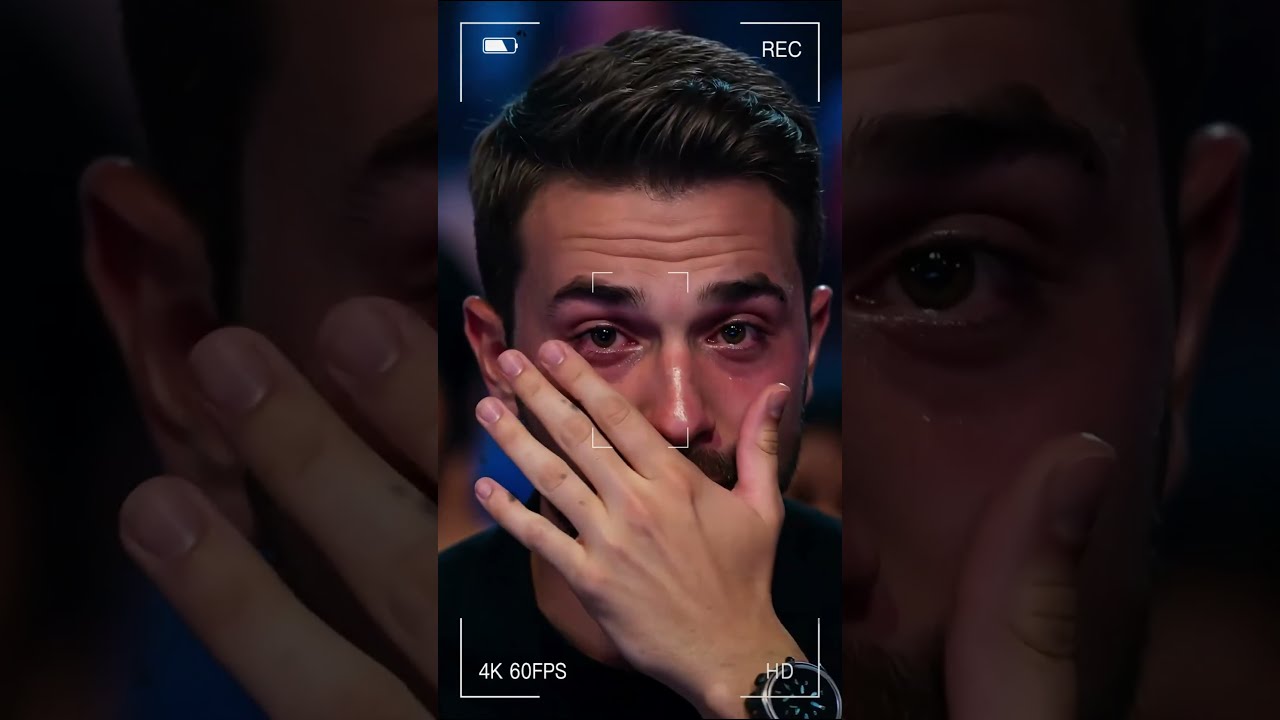
Clapping mixed with tears created a powerful visual of shared emotion. It was a reminder of music’s ability to unite strangers instantly.
In a world saturated with noise, this performance embraced vulnerability. It offered stillness, faith, and emotional honesty.
The singer left the stage having given more than a song. She offered a moment of reflection and connection.
Such performances linger long after the lights fade. They remind viewers why live music continues to matter.
This moment stood out not because of spectacle, but because of sincerity. It proved that emotional truth can be just as powerful as technical brilliance.
As the crowd slowly settled, the feeling remained unmistakable. Everyone had witnessed something deeply human and profoundly moving.